
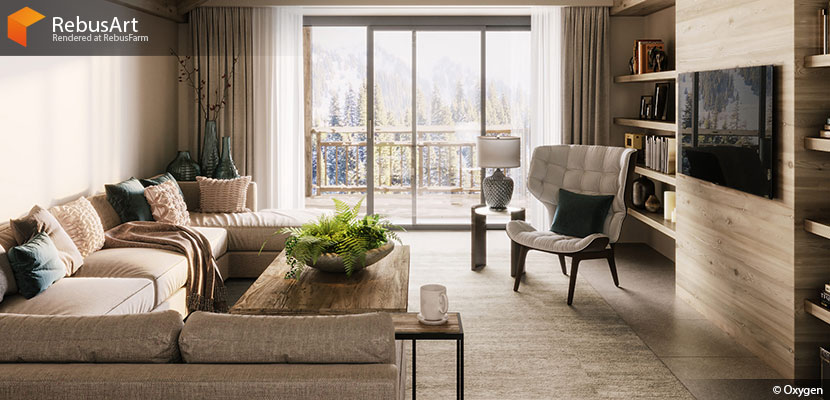
Welcome to our latest RebusArt Feature, reconnecting with Oxygen, the architectural visualization studio based in Braga, Portugal. Led by co-founders Leandro Silva and Pedro Silva, Oxygen has continuously evolved its creative vision while maintaining a strong focus on storytelling, realism, and strategic visual communication. From high-end still images to interactive real-time experiences, the studio pushes beyond traditional archviz boundaries. Join us as we explore Oxygen's journey since our last feature, their creative mindset, and the inspiration behind their latest project, "L'Ecrin Blanc".
Introduction.
More than six years after our first interview, we're excited to reconnect with Oxygen, the architectural visualization studio based in Braga, Portugal.
Since our last feature in 2018, a lot has changed. We sat down with Oxygen to talk about how the studio has evolved over the years, how their work and mindset have developed, and what drives them today.
Please shortly introduce yourself and your studio.
Hello everyone, my name is Leandro Silva. I'm the co-founder of Oxygen, together with Pedro Silva.
Oxygen is a creative studio specialized in architectural visualization, delivering a wide range of visual solutions - from still images and videos to animations, interactive platforms, and virtual tours, which are established in close collaboration with real estate developers, architects, and marketing agencies around the world.
Looking Back On The Past Years.
How has Oxygen evolved since 2018 in terms of team structure and project scale?
Since 2018, Oxygen has evolved while maintaining its boutique studio identity. At the core of the studio, Pedro and I continue to lead the company, being responsible for clients and project management, team coordination, and creative production.
Over the years, the scale and complexity of our projects have become more challenging. We collaborate with a few dedicated teams of artists who assist us at different stages of production, depending on each project's scope and requirements. This flexible remote structure allows us to stay hands-on, agile, and client-focused while delivering medium-scale projects and high-impact visuals that reflect the added value of our visualization services.
Was there a specific moment or project over the last few years when you felt the studio really stepped into a new phase?
In 2024, we launched our interactive 3D visualization platform, developed for real estate professionals. This marked an important step for the studio, allowing us to explore real-time technologies and offer our clients new tools to support marketing and sales strategies.
The platform enables users to navigate and interact with projects, offering a more intuitive, complete, and personalized experience that can be accessed from anywhere. Tailored to each project, it includes interactive features designed to enhance the sales experience. This initiative not only demonstrated our ability to embrace new technologies but also reinforced Oxygen's ability to deliver innovative, custom solutions beyond traditional still images, animations, or virtual tours.
What types of projects are you most excited to work on today, and how does that compare to the projects you were doing a few years ago?
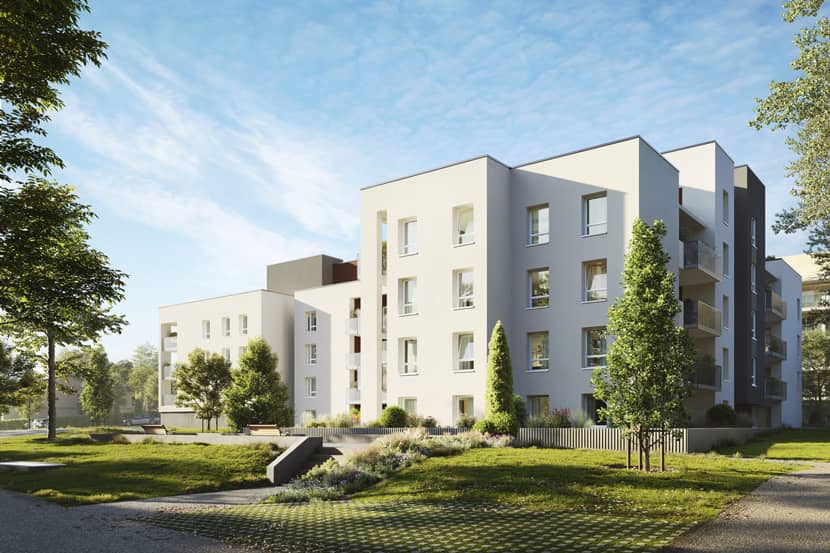
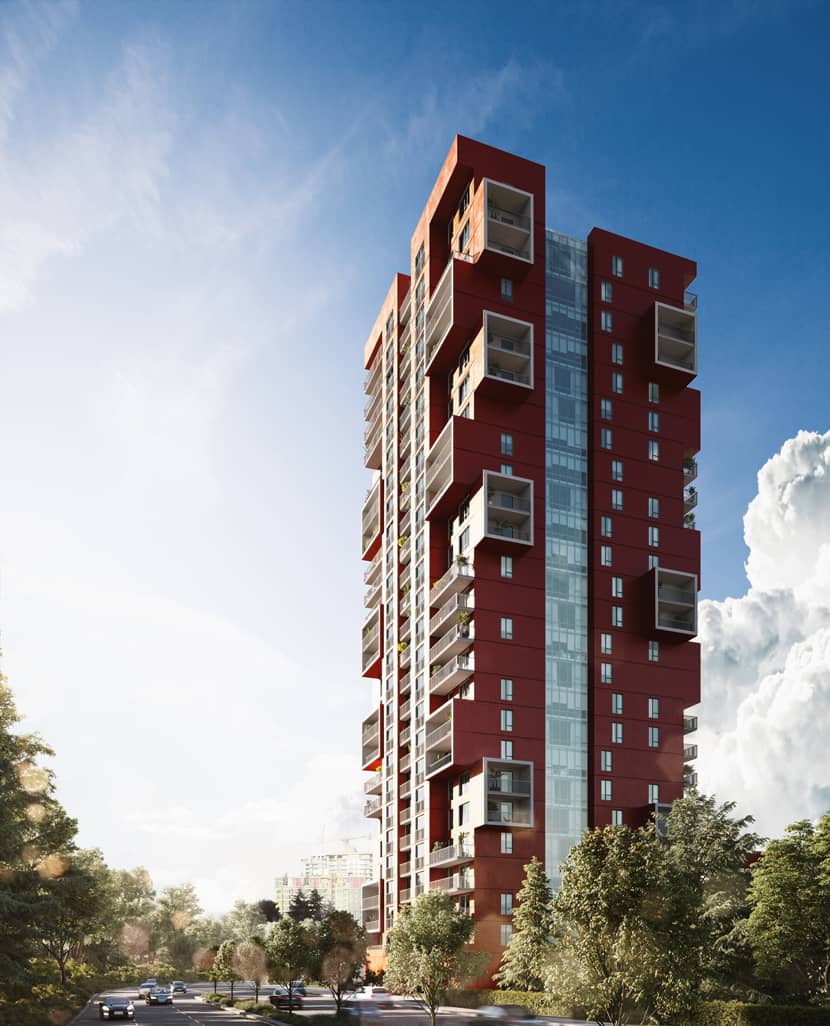
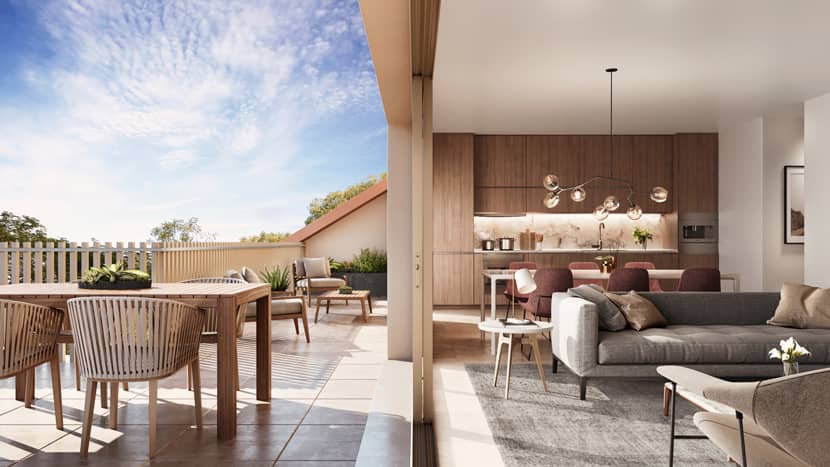
We work on a wide range of projects of different sizes and durations, but our main focus is on residential developments that require multiple visual elements per project. This allows us to work closely with clients and project teams, dive into the details of both private and shared spaces, and help resolve design challenges throughout the process.
Compared to a few years ago, our role has expanded significantly. We now collaborate more closely with developers and sales teams to address specific needs. This can include creating images to complement or replace content produced by other companies that didn't perform as expected, developing conceptual visuals to attract investors when projects are still in early stages, or providing tailored solutions for hard-to-sell units.
Overall, we're particularly excited by projects that allow us to combine creativity with strategic support, delivering visuals that are not only impactful but also help clients, investors, and future residents make better-informed decisions.
Changes in Archviz.
Architectural visualization has changed in recent years. What are the biggest shifts you see in the industry?
One of the most significant shifts has been the increasing use of AI and emerging technologies. These tools are transforming traditional workflows and challenging studios to gradually integrate them into their processes. We see this evolution as a way to assist with specific tasks and improve the quality of the content produced, rather than as a sign of the inevitable end of our work. The long-term impact, however, is still uncertain.
Another important change is the role of visualization as a strategic tool. It's no longer just about making projects look good; visuals are increasingly used to help clients, developers, and investors understand projects, make decisions, reduce risk, and support marketing efforts from very early stages.
These shifts show that while high-quality visuals remain at the core of what we do, the way studios approach production and add value for clients continues to evolve. Staying flexible and open to change has become essential.
How has your technical setup evolved over the years when it comes to software render engines and pipelines? Or is it still the same?
Our technical setup has remained largely consistent over the years, with 3ds Max and Corona Renderer forming the core of our workflow. Over time, we've gradually expanded our capabilities by integrating Unreal Engine for our interactive platform and exploring several AI-assisted tools, such as Freepik, Kling, or ComfyUI.
This integration has allowed us to enhance our production process, optimize the workflow, and offer more customized solutions, combining traditional rendering techniques with AI-assisted tools.
Project Spotlight.
Let's delve into your latest project, "L'Ecrin Blanc". What was the inspiration behind it, and what were the main challenges you encountered during its development?
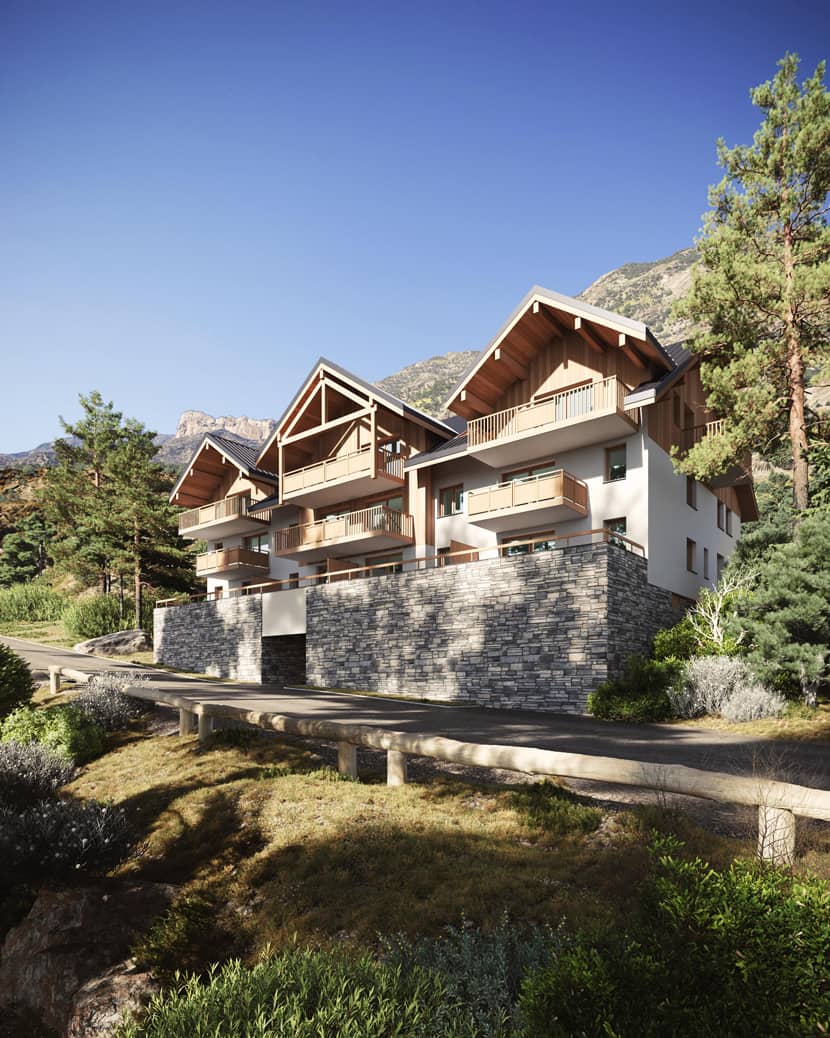
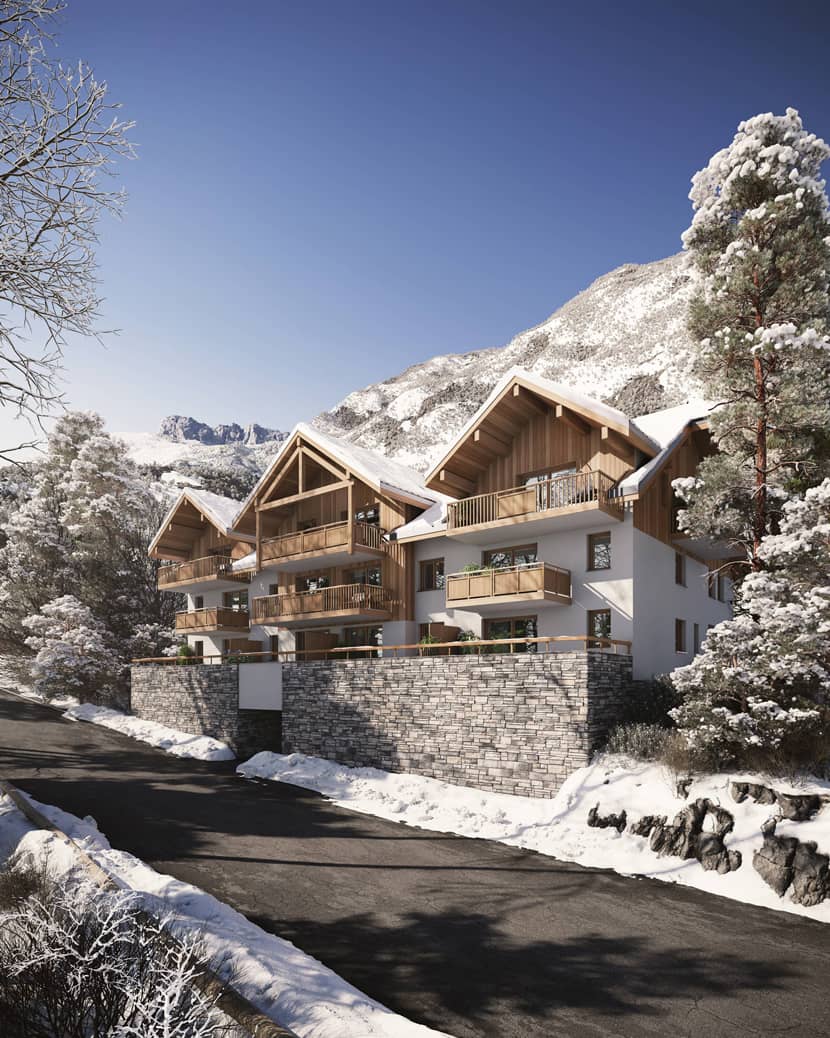
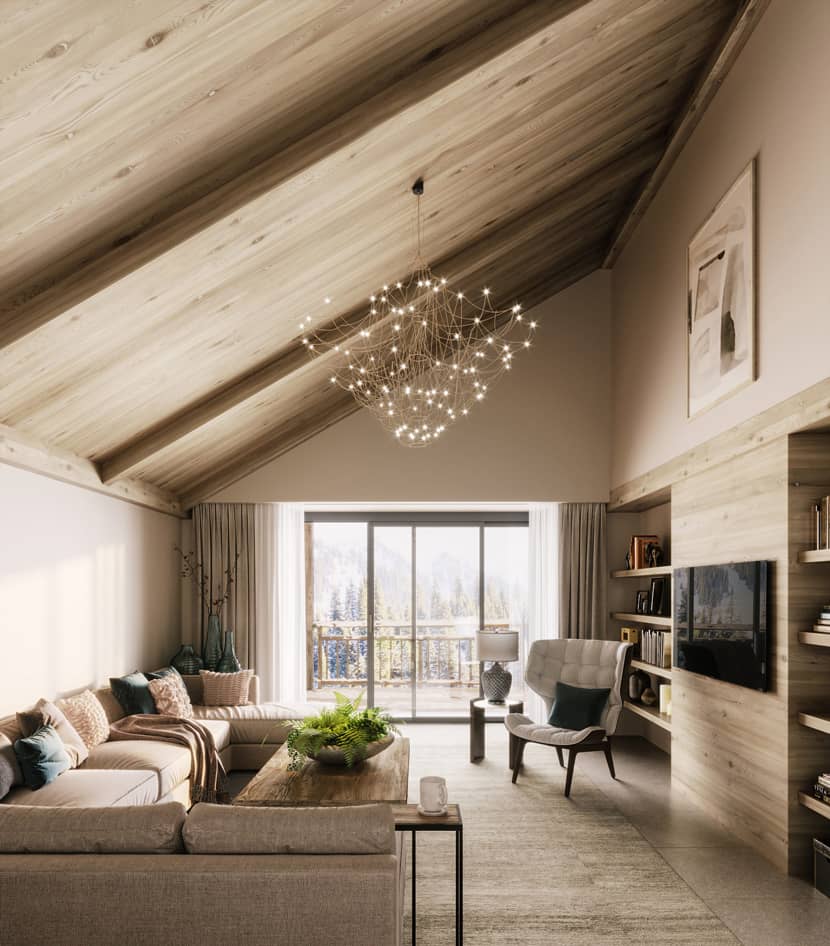
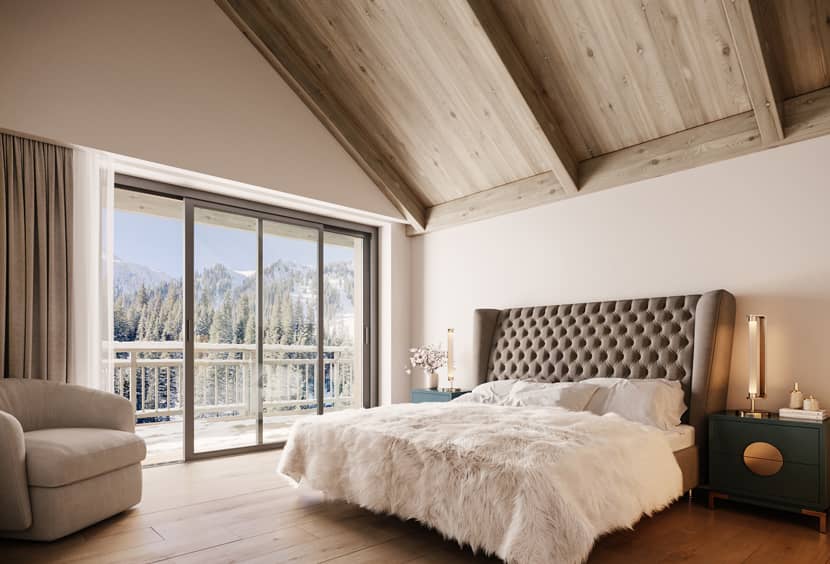
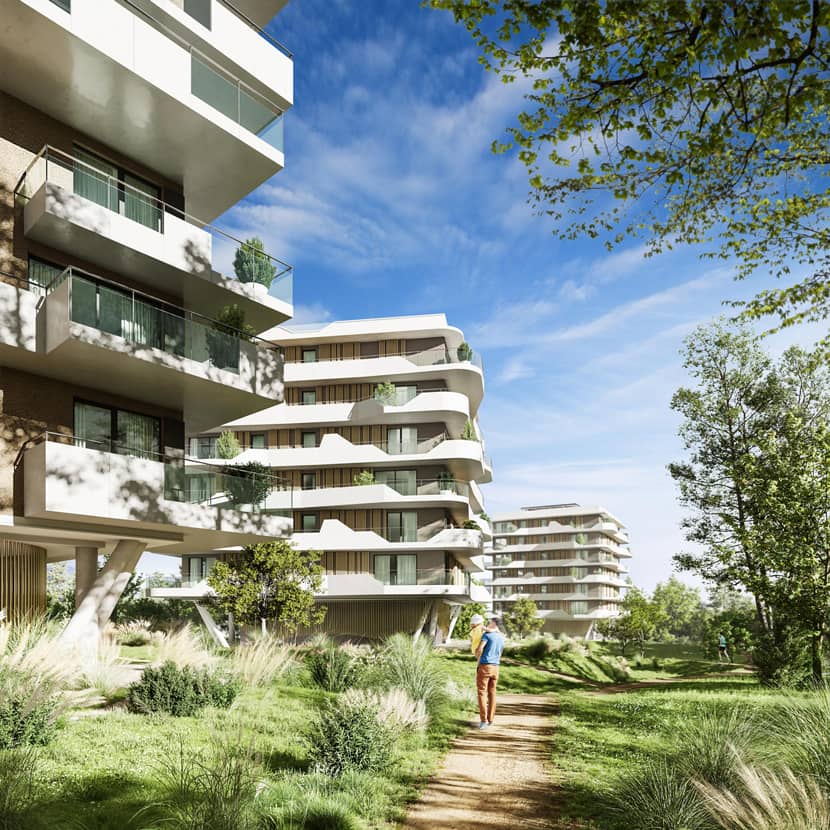
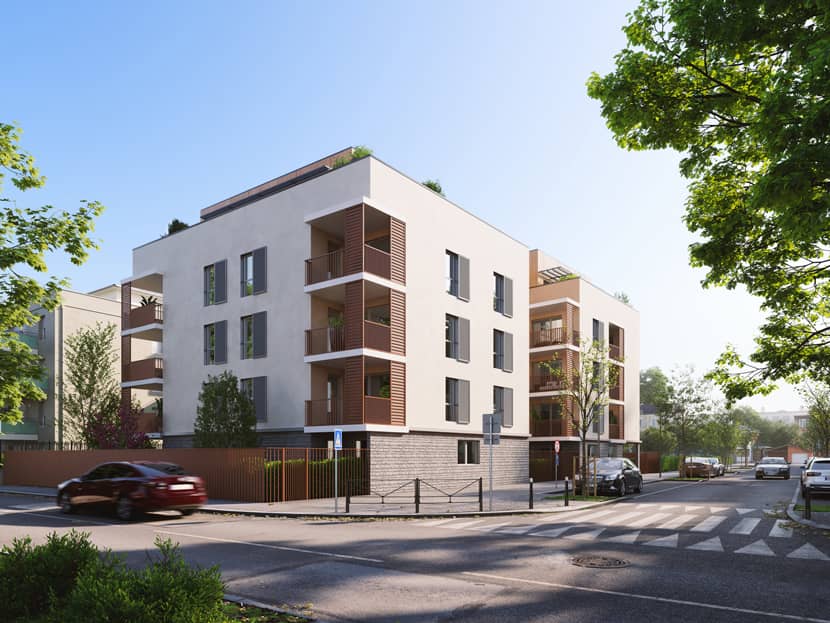
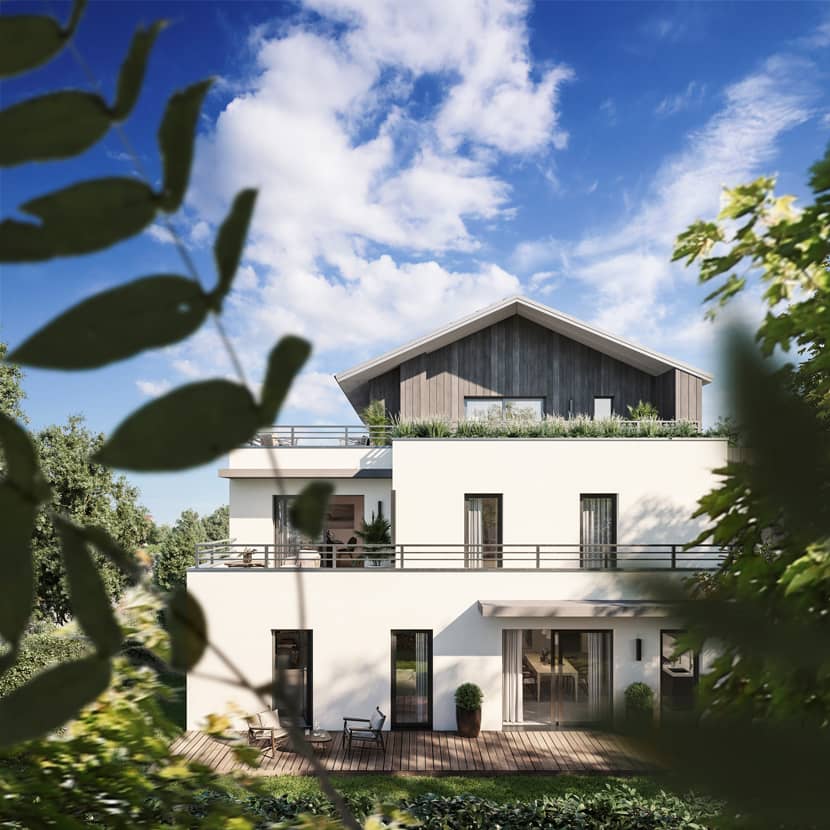
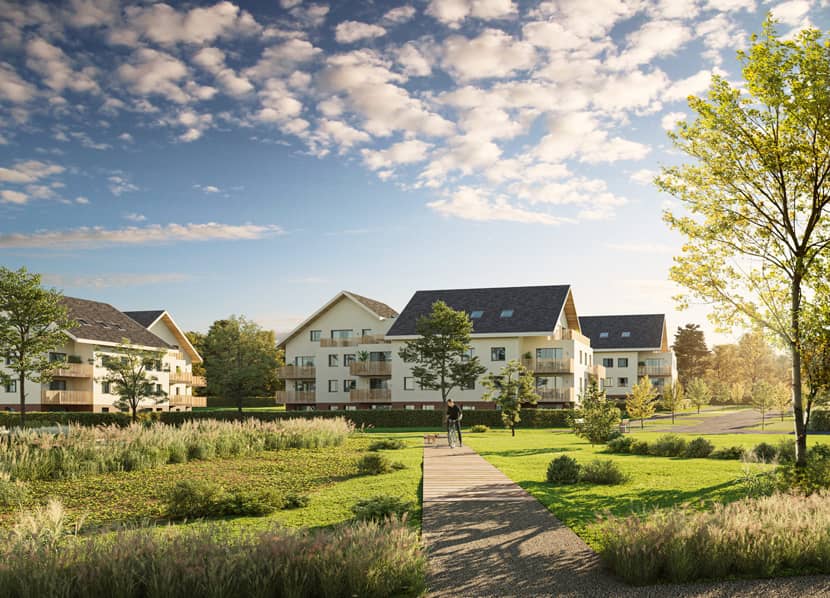
The visual concept of L'Ecrin Blanc was inspired by traditional Alpine chalets surrounded by nature, aiming to convey a warm and welcoming atmosphere throughout the year.
One of the main challenges was creating two distinct seasonal environments - summer and winter - while maintaining visual consistency across all images. This required careful attention to exterior details such as vegetation, landscaping, snow coverage, and surrounding elements. Ensuring that these components felt natural and credible was essential to communicate the project's overall character in both seasons.
What software, renderer, and plugins did you use for this particular project?
The project was developed using Autodesk 3ds Max and Corona Renderer, with Forest Pack for vegetation and Adobe Photoshop for post-production.
How did rendering this project at the RebusFarm Render Service impact your workflow, and were there any specific features or aspects of the service that stood out to you?
Using the RebusFarm render service fits well into our workflow, particularly when it comes to optimizing render times and handling tighter production schedules. Access to external render resources allows us to focus more on creative decisions and image refinement, without being limited by local hardware constraints.
Future Outlook.
Is there anything new you would like to explore as a studio that you have not tackled yet?
We're particularly interested in further exploring real-time visualization and interactive tools, building on the work we've already started with Unreal Engine through our interactive platform. We see strong potential in creating more immersive and flexible experiences that support communication, marketing, and decision-making throughout the lifecycle of a project.
In parallel, we want to continue exploring AI-assisted tools and other emerging technologies. Our goal isn't to replace the visualization core of our work, but to use these tools to optimize specific tasks, improve efficiency, and allow more time for creative and strategic problem-solving with our clients.
Looking ahead to the next few years. What excites you most about the future of Oxygen?
In the coming years, we're excited to continue establishing Oxygen as one of the most recognized 3D visualization studios in Portugal, while expanding our portfolio and strengthening our presence and partnerships in both national and international markets.
Above all, we want to keep growing together with our clients, partners, and team members, whose creativity and dedication truly shape our company.
We are Oxygen. Take a deep breath.
Gallery.
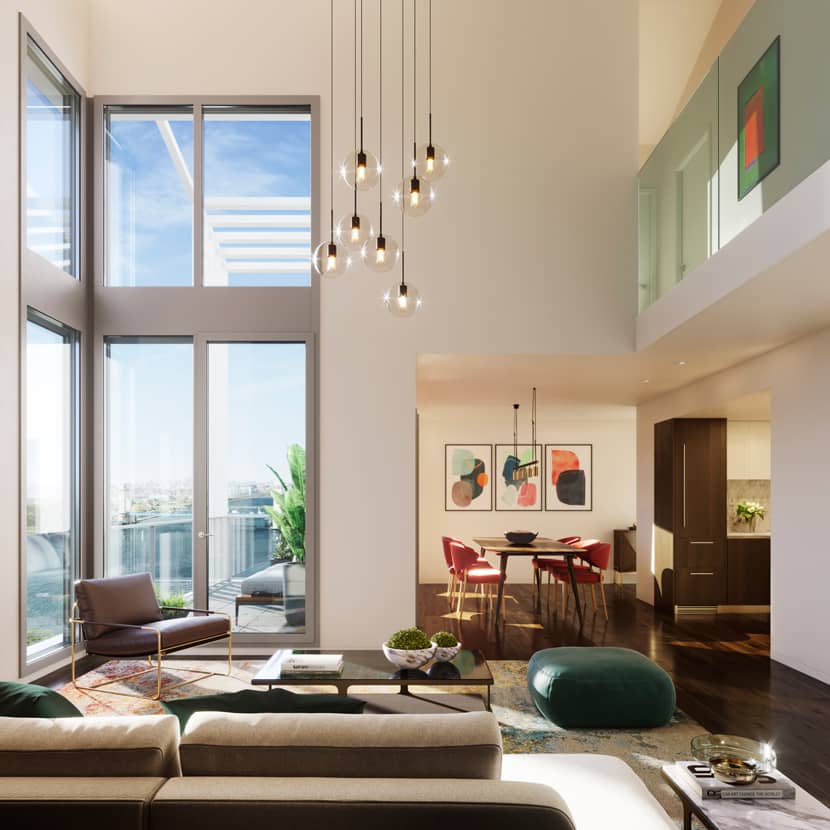
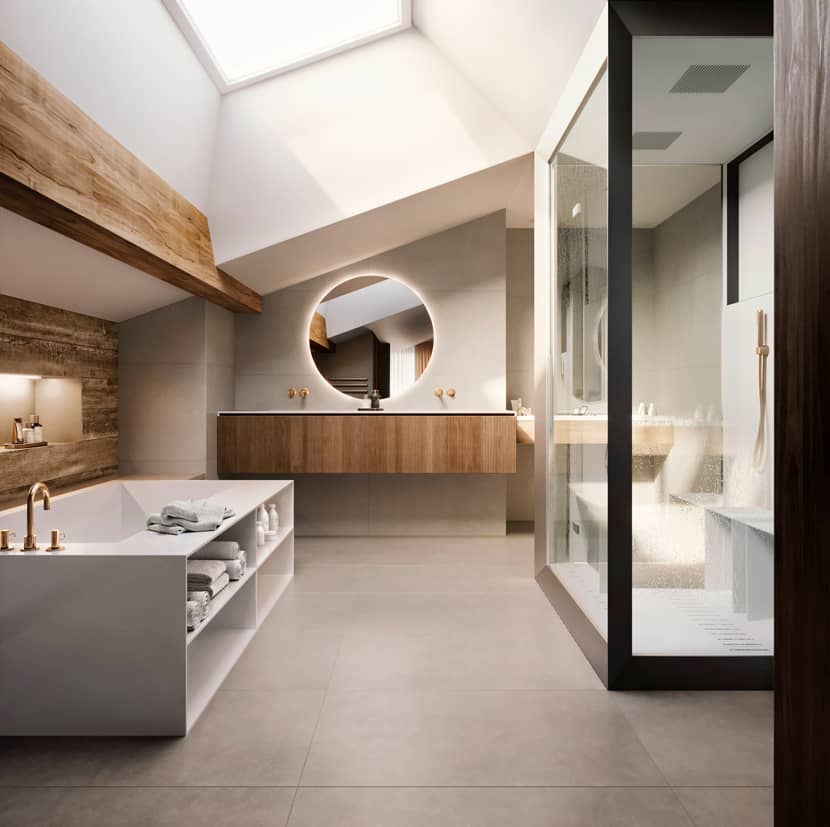
Thank you for sharing your insights and expertise with us! We look forward to your upcoming projects and are ready to support you with our render power!
About the Studio
Oxygen is a creative studio specialized in architectural visualization, delivering a wide range of visual solutions - from still images and videos to animations, interactive platforms, and virtual tours - developed in close collaboration with real estate developers, architects, and marketing agencies around the world.