
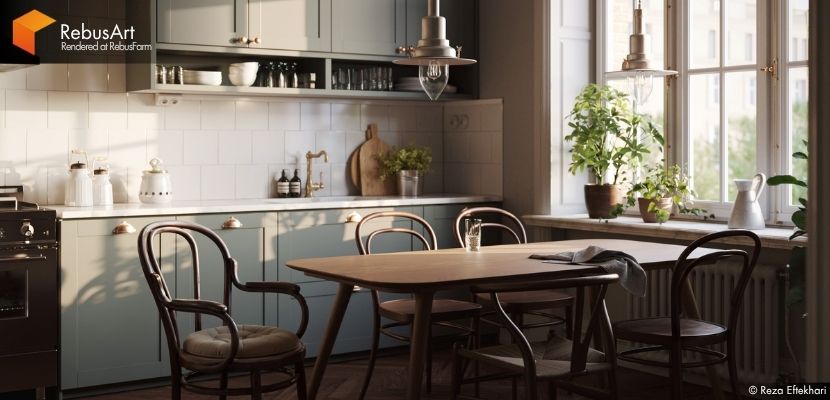
Some artists leave a lasting impression, and Reza Eftekhari is certainly one of them. Known for his thoughtful approach to architectural visualization and his ability to create spaces that feel both cinematic and authentic, Reza continues to push his craft forward while embracing new technologies and creative workflows. We are delighted to welcome him back to RebusArt and take another look at his artistic journey, his evolving perspective on archviz, and the ideas behind his personal project, Scandinavian Kitchen.
Introduction.
It has been about a year since our first RebusArt feature with Reza Eftekhari, and it feels like the right time to catch up again. Last year, we looked at his cinematic approach to architectural visualization and his project Sea Breeze Nest, which already showed a strong focus on mood, light, and storytelling.
This time, we turn to Scandinavian Kitchen. A more intimate interior scene, rich in atmosphere and detail. In this follow-up feature, we take a closer look at how his creative process has developed over the past year, what has shifted in his workflow, and how this new project reflects his current direction in 3D archviz.
So welcome back, Reza, it is great to have you back here with us again!
Please start by shortly introducing yourself.
First of all, I would like to thank the RebusFarm team for inviting me back. It is a pleasure to be featured again.
My name is Reza Eftekhari. I originally studied Architecture and hold a Master's degree in the field, but I was drawn to architectural visualisation from the very beginning of my career. Over the years, it became my main professional focus, and I have now been working in the industry for nearly two decades.
Currently, I am part of a creative team in the United Kingdom, producing architectural visualisations for international projects and clients.
Looking back on the past year.
Since your previous feature, how has your 3D and/or technical approach evolved? Have there been any challenges in your approach, software, or skills?
Yes, quite a lot has changed over the past year. While the core of my workflow remains the same, mainly 3ds Max and V-Ray, the way I work has evolved significantly, and the pace of change in our industry has become much faster.
Last year, I was heavily focused on Unreal Engine and the development of interactive environments. Interestingly, I have barely opened Unreal over the past year. Instead, much of my attention has shifted toward real-time rendering, particularly with Chaos Vantage, which has become an increasingly important part of my workflow.
At the same time, I have been continuously exploring and testing AI tools. Rather than seeing them as a replacement for traditional workflows, I view them as creative and technical assistants. I am constantly looking for ways to integrate them where they can genuinely improve efficiency, support ideation, or enhance certain stages of production.
Overall, I would say the biggest change has been becoming more flexible and open to new technologies while still relying on the solid foundations that have served me throughout my career.
Changes in Archviz.
Architectural visualisation has changed in recent years. What are the biggest shifts you see in the industry?
Without a doubt, architectural visualisation has undergone significant changes in recent years. Software and rendering technologies have advanced rapidly, and it feels like even bigger transformations are just around the corner.
Among all these developments, I believe the rise of AI has been the most impactful. At the same time, real-time rendering technologies have matured considerably, and more recently, we have started to see AI becoming integrated directly into creative software. Together, these innovations are reshaping the way artists work and interact with their tools.
As a result, many artists, including myself, are constantly experimenting with new technologies and refining their workflows. There is a strong curiosity across the industry to understand which tools can genuinely improve efficiency without compromising creativity.
Naturally, such rapid changes also bring concerns. Some artists worry about job security and the long-term impact of AI on creative professions. Personally, I don't see AI as a replacement for skilled artists, but I do believe it will redefine certain roles and expectations. Continuous learning has always been part of this industry; the difference today is simply that the pace of change is much faster than it used to be.
How do you currently use AI in your architectural visualisation workflow, and where do you see the greatest opportunities for artists to benefit from it?
Personally, I am always looking for ways to make my workflow more efficient. At the same time, I am never willing to compromise technical accuracy or artistic quality. If a tool, including AI, can help me work faster while maintaining those standards, I am happy to incorporate it into my pipeline.
One important thing artists should understand is that architectural visualisation is not a single discipline. Different studios and artists operate at different stages of a project, and the value of AI depends greatly on where you sit within that process.
For example, some artists are involved in the design visualisation stage, where the goal is to communicate architectural ideas, spatial relationships, and the interaction between a building and its surroundings. In these cases, AI can be extremely useful for ideation, mood exploration, design alternatives, and early concept development.
Others, however, work primarily in the marketing stage of a project. Here, the focus is less on presenting design options and more on conveying atmosphere, lifestyle, emotion, and the overall appeal of a space. In this context, AI can support different aspects of the workflow, and understanding these distinctions is essential when evaluating its potential.
In my own work, I currently use AI in several ways. During the early stages, I often use it for mood boards, reference generation, and exploring creative directions. More recently, I have also been experimenting with AI-assisted 3D modelling through ComfyUI workflows. The results are not always production-ready; many outputs still serve as rough prototypes that are later replaced with final assets, but the technology is improving rapidly. In some cases, the generated models are already good enough to be used directly in the final visualisation.
Further down the pipeline, I occasionally use AI enhancement tools during post-production to polish final renders. They can be particularly effective for improving people, vegetation, and other secondary elements. I have also been exploring AI-powered video tools such as Runway, which can generate convincing animation sequences and intermediate frames without requiring a fully rendered timeline.
For me, the greatest value of AI is not in replacing artists but in reducing repetitive tasks and accelerating certain stages of production. This allows artists to spend more time focusing on the creative decisions that ultimately define the quality of a visualisation.
Project Spotlight.
Let's delve into your latest project, Scandinavian Kitchen.
It feels very personal and atmospheric. What was the original idea behind the project?
As I mentioned in my previous interview, I often work on personal R&D projects. These projects give me the freedom to experiment with new tools, techniques, and workflows while continuing to learn and grow as an artist. In many ways, they act as a testing ground before I apply new ideas to commercial projects, where there is usually much less room for experimentation.
Interestingly, many of these projects remain unfinished for years. Completing them is not always the main objective; the real value often lies in the process itself and the freedom to explore without constraints.
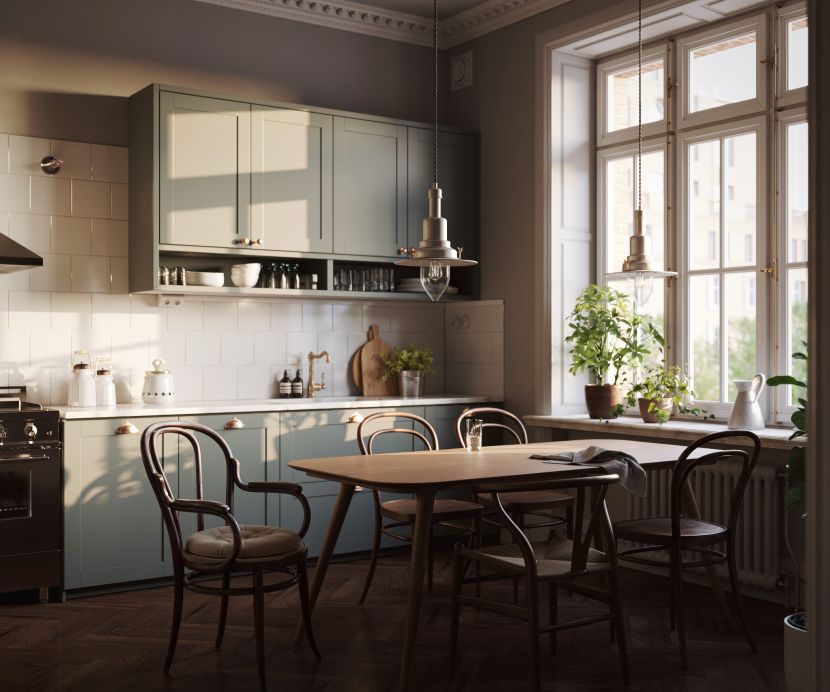
The initial inspiration for Scandinavian Kitchen came from my appreciation for Scandinavian interiors and their balance of simplicity, warmth, and functionality. Rather than creating a perfect or ultra-luxurious space, I wanted to capture a believable, everyday environment that feels calm, authentic, and genuinely lived-in.
One of the most striking aspects of the project is the attention to detail. Why was that important to you, and what challenges did it create during development?
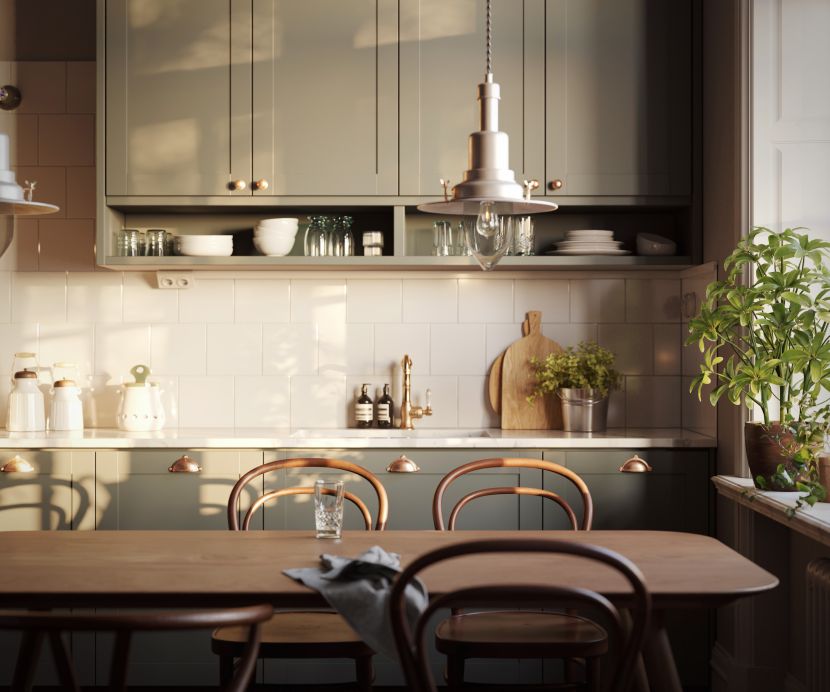
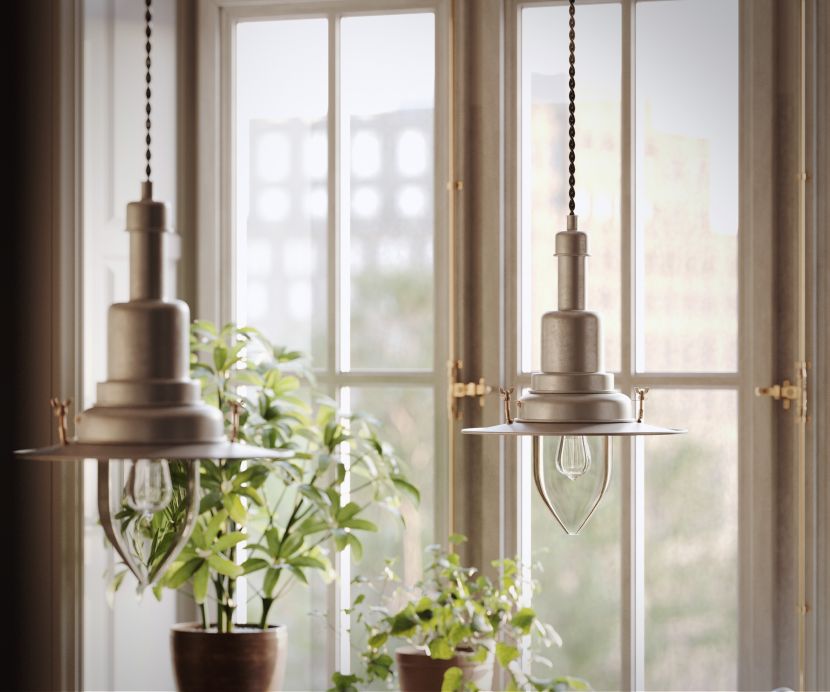
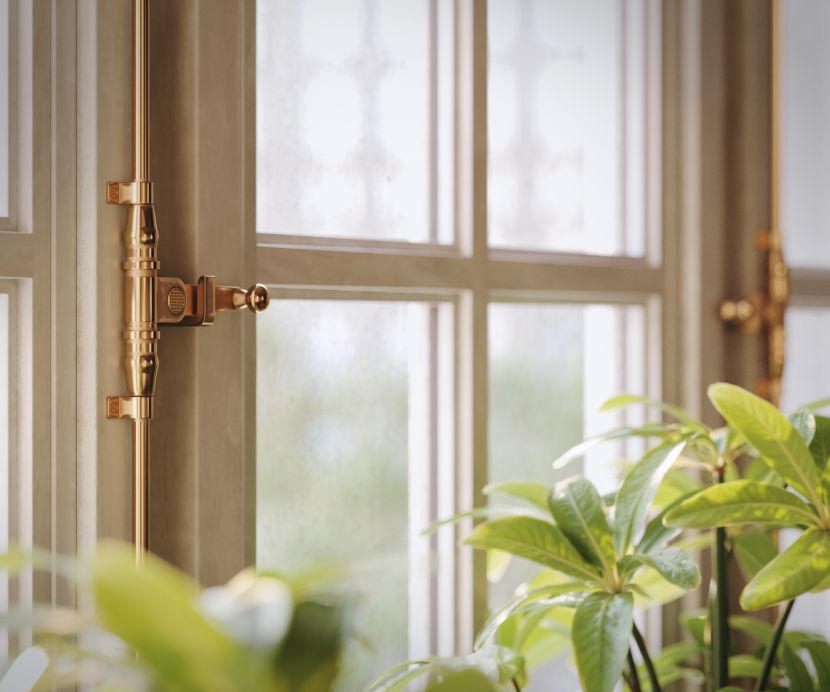
A large part of the challenge, and also the enjoyment, came from the level of detail. I believe that without those small imperfections and subtle signs of use, a scene can easily feel like a computer-generated image or a space that has never truly been inhabited.
Real life always leaves traces behind. Time, use, and human presence gradually shape the objects around us, and those details become part of the story of a place. Because of that, I spent a considerable amount of time refining materials, modelling small elements, and carefully observing how everyday objects age and interact with light.
For me, details are not only important for realism; they are also connected to memory and emotion. A brand-new glass is simply an object, but a slightly worn glass or a scratched plate can instantly remind us of a familiar place, such as a grandparent's home, and bring back memories that feel deeply personal. Those traces of life are what transform a space from a collection of objects into something meaningful.
At the same time, achieving that level of subtlety can be challenging. The difficulty is not adding more details, but choosing the right details, enough to suggest life and history without overwhelming the simplicity and calm atmosphere that I wanted the project to convey.
What software, renderer, and plugins did you use for this particular project?
As with most of my projects, 3ds Max served as the foundation of the workflow. While many of the assets were modelled directly in Max, I also used ZBrush for certain elements where a more sculptural approach was beneficial. A large portion of the scene was modelled from scratch, as I wanted full control over the details and overall quality.
For texturing, I primarily used Adobe Substance 3D Painter, while materials and shaders were developed in V-Ray. One of the key aspects of the workflow was the use of Chaos Vantage through Live Link, which allowed me to work with real-time rendering and quickly evaluate lighting, materials, and composition throughout the development process.
One particularly interesting experiment in this project involved AI-assisted 3D modelling. The armchair on the left side of the scene, including its cushion, was created using a workflow I developed in ComfyUI. My goal was to test whether AI-generated geometry could reach a quality level suitable for final production rather than being limited to concept work or prototyping.
I was pleasantly surprised by the results. While there is still room for improvement, the model was ultimately good enough to remain in the final render. For me, it was an exciting glimpse into how AI-assisted modelling workflows may become a practical part of production pipelines in the near future.
Future Outlook.
Is there anything new you would like to explore that you have not tackled yet? Or are you currently working on an exciting project you would like to talk about?
Over the years, I have had the opportunity to explore many different aspects of architectural visualisation, from still images and animation to 360° experiences, virtual reality, and even interactive environments developed in Unreal Engine.
At this stage, I feel less interested in chasing entirely new formats and more interested in refining and connecting the tools that are already becoming part of our industry. A major area of focus for me is continuing to develop my AI workflows in ComfyUI and making them more unified, practical, and reliable for everyday production use. I see a lot of potential there, but I believe the real challenge is transforming experimental workflows into tools that can consistently support professional projects.
At the same time, I am paying close attention to the evolution of real-time rendering technologies, particularly Chaos Vantage. The ability to achieve increasingly higher levels of quality while maintaining real-time feedback is something that I find incredibly exciting, and I believe it will play an important role in the future of architectural visualisation.
More broadly, I am interested in exploring how artists can combine traditional craftsmanship, real-time technologies, and AI-assisted workflows into a single creative pipeline. I think the most exciting developments in the coming years will happen at the intersection of those technologies rather than within any one tool alone.
Thank you for sharing your insights with us!

About the artist
Reza Eftekhari is a 3D artist and architectural visualizer with a Master’s in Architecture and almost two decades of experience. His work combines design accuracy with cinematic storytelling, producing striking visuals for architecture firms, competition entries, and independent creative studies.